The Neighbour Test: A Calm 2026 Guide to Checking Your Council Tax Band
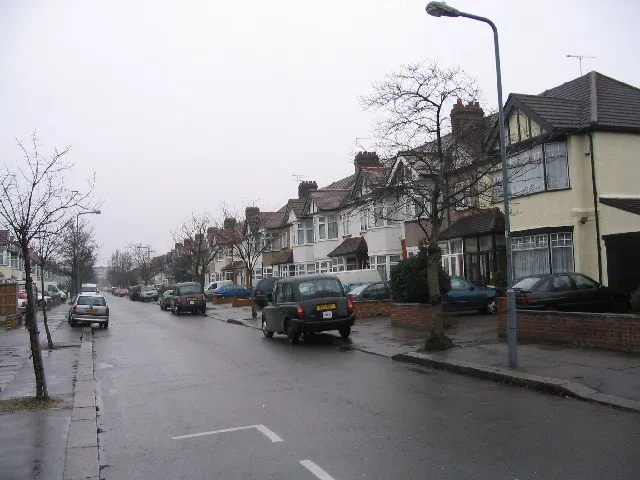
Photo: Andrew Dann, CC BY-SA 2.0, via Wikimedia Commons
Council tax is not the most thrilling line in your household budget, but it is often one of the biggest. And because it arrives with the regularity of bin day, it is easy to pay it for years without asking a very simple question: is this band actually right?
In 2026, with plenty of households still watching every direct debit, it is a fair question to ask. A wrong band can mean paying hundreds of pounds more than you need to. But this is not a free-money hack. A review can go the other way, and that is worth understanding before you start firing off forms.
First, get clear on what your band means
Council tax bands are lettered, and the exact range depends on where you live. The band is based on what your home was worth at a specific valuation date, not what it would sell for today. In England and Scotland, the relevant date is 1 April 1991. In Wales, it is 1 April 2003. That is why your 2026 asking price and your council tax band can feel oddly disconnected.
Start by checking your current band on your council tax bill or the relevant online valuation list. In England and Wales, the Valuation Office Agency, usually called the VOA, is the body to look at. In Scotland, it is the Scottish Assessors. Do not skip this step. You need your exact band before you can compare it with anything else.
The neighbour test: useful, but not gospel
The classic move is to compare your band with similar nearby properties. That is sensible. If every identical three-bed semi on your street is in band C and you are in band D, it is worth a closer look.
But similar is doing a lot of work in that sentence. A house two doors down might look the same from the pavement, yet have a loft conversion, a bigger garden, a garage, or an extension that changes the picture. The VOA is not comparing interior decor or how tidy the front hedge is. It is looking at property characteristics that affect value.
So build a small comparison list. Aim for three to five properties that are genuinely close to yours in type, size, age, layout, and location. Note their bands. Then ask yourself whether there is a real, explainable difference. If there is not, you may have a case worth exploring.
What evidence the VOA actually expects
A feeling that your council tax is too high is not evidence. A calm, specific case is. The VOA will typically want to know your address, your current band, and the reason you think it is wrong. It helps to include the addresses and bands of comparable properties, plus a short explanation of why they are comparable.
Focus on facts: property type, number of bedrooms, floor area if you know it, plot size, garage, parking, and any major structural differences. If your home has been extended or improved, say so. That can explain a higher band, and hiding it will not help. If something has been removed or changed in a way that affects value, that may be relevant too.
Sales prices can be supporting context, but do not treat them as a magic answer. The valuation date is decades ago in England and Scotland, and 2003 in Wales, so a 2026 sale price is not a direct comparison. It may help show size or property type, but it is not the whole story.
Keep it concise. A short table of comparable addresses and bands is more useful than a 40-page scrapbook of Rightmove screenshots.
Informal enquiry or formal challenge?
In many cases, the first step is an informal enquiry with the VOA or the Scottish Assessors. You are essentially saying: here is my band, here are my comparisons, can you review it? This is lower-stakes than a formal appeal and can clear up simple errors.
If you are not satisfied, there are formal challenge routes. In England, that can ultimately go to the Valuation Tribunal. In Wales, it is the Valuation Tribunal for Wales. In Scotland, it is the local valuation appeal committee after engaging with the assessor. There are time limits for formal challenges, often linked to moving in or a material change, so check the current rules before assuming you can appeal whenever you like.
One practical point: keep paying your council tax while a review is underway. Do not cancel your direct debit in protest. Falling into arrears is a much bigger problem than a band dispute.
The bit nobody likes: your band can go up
This is the warning that deserves a cup of tea. A review is not a one-way bet. If the evidence suggests your home should be in a higher band, the VOA can move it up. That could mean a bigger bill, not a refund.
That does not mean you should never check. It means you should go in with your eyes open. If your home has had significant improvements that were never reflected, or if your comparison list is thin, think carefully. A cheeky enquiry is not worth a nasty surprise.
If your band is reduced, you may get a lower bill or a refund, but the exact outcome depends on the circumstances and the effective date. Do not spend the imagined refund before it exists.
A sensible 2026 checklist
- Confirm your current band and the relevant valuation date.
- Find three to five genuinely comparable nearby properties.
- Note their bands and any obvious differences.
- Check whether your home has improvements that could justify a higher band.
- Contact the VOA or Scottish Assessors with a short, factual case.
- Keep paying your council tax throughout.
- If you go formal, check the deadline and keep copies of everything.
At Financially Mint, we are fans of the dull-but-useful money job. This is one of those. It takes maybe half an hour to gather the basics, and it could save you hundreds. It could also do nothing, or occasionally backfire. Either way, you will at least know your band is not just a number you have been accepting on faith.
And if it turns out you are in the right band? Fine. You have bought yourself certainty, which is not a bad return for an evening with your council tax bill.